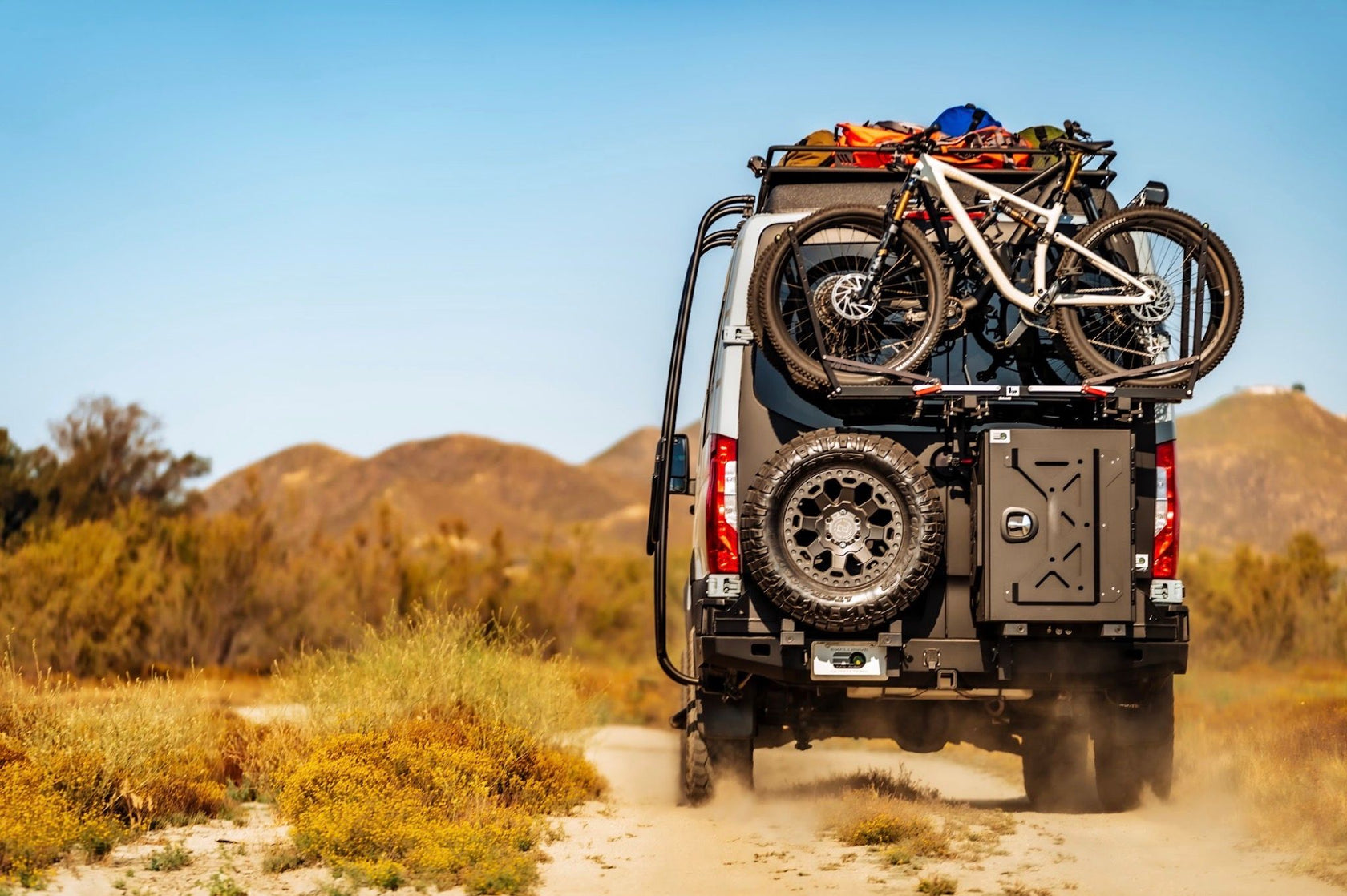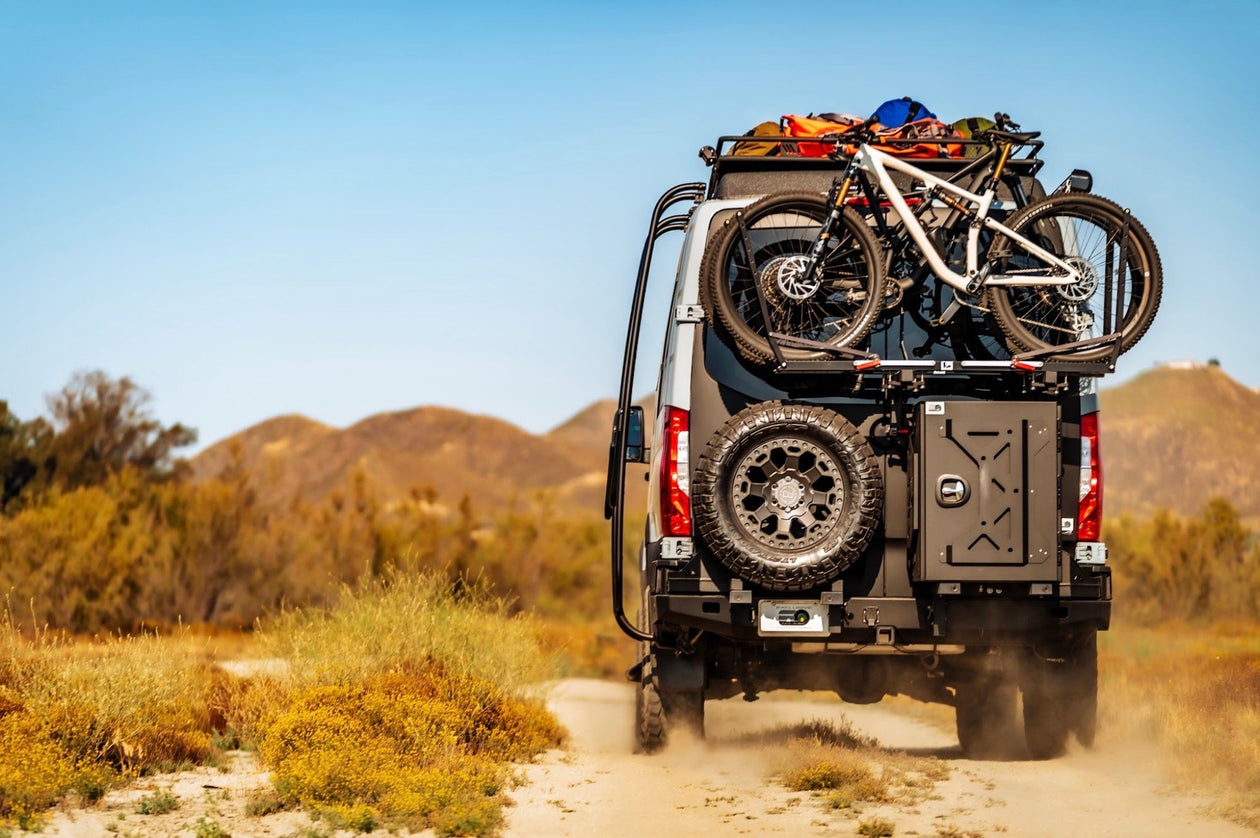

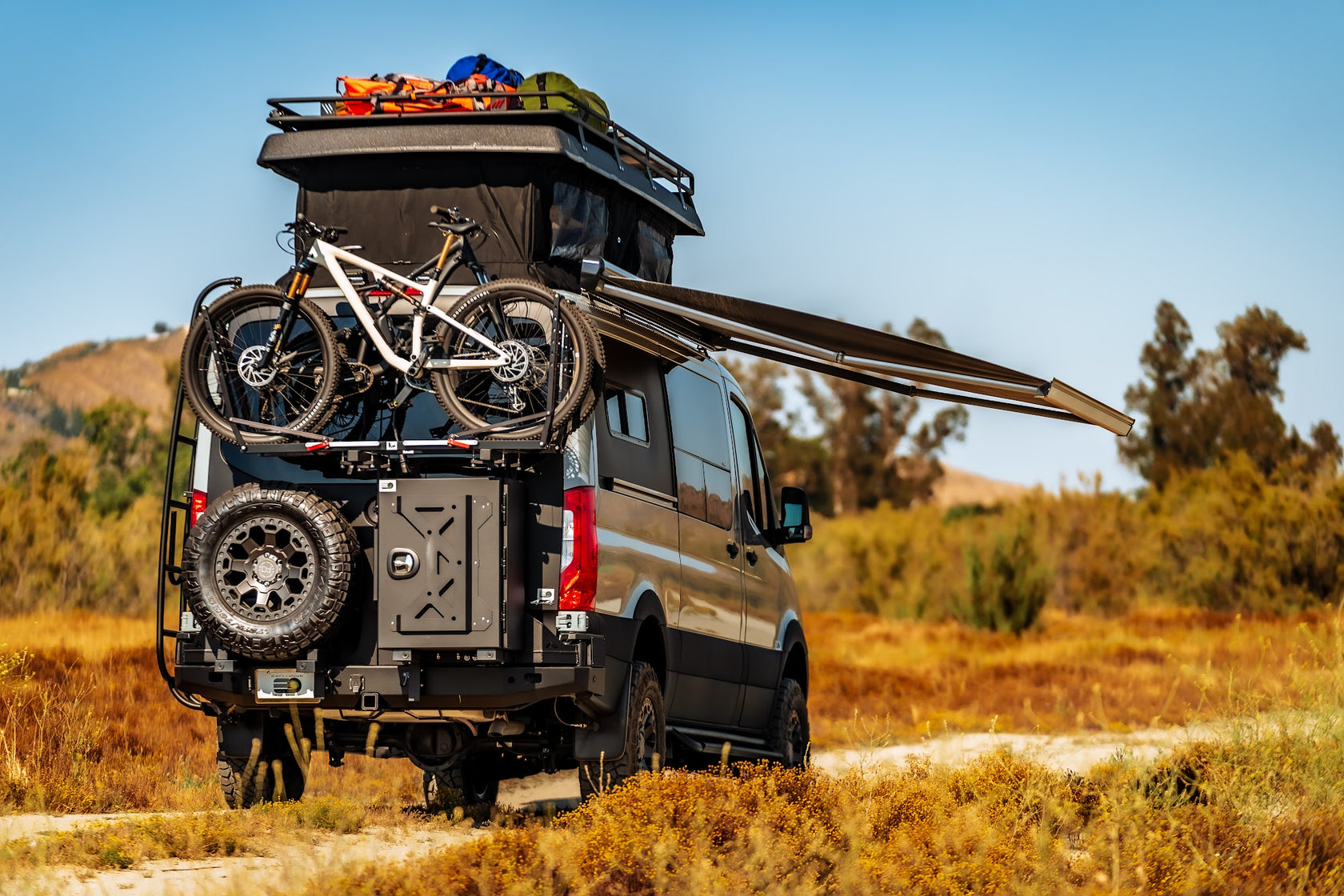
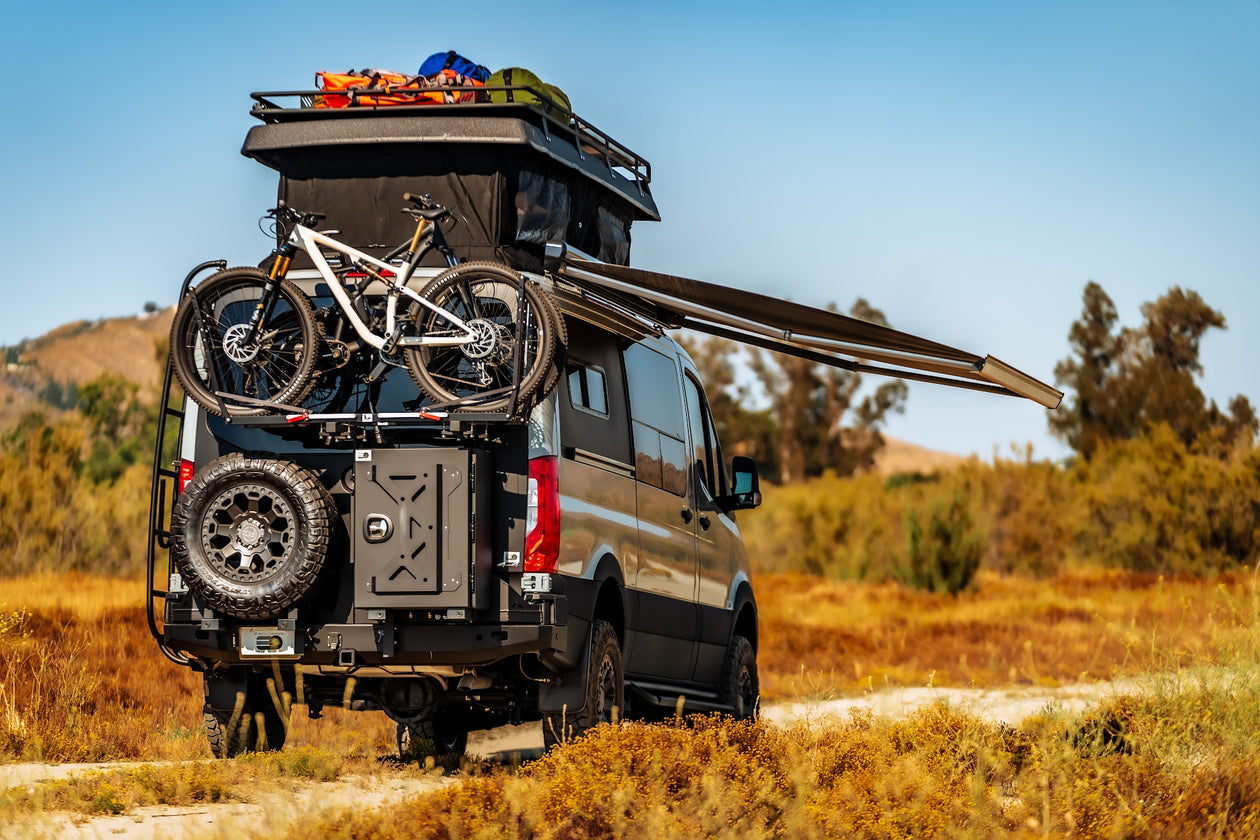
The 144" Poptop: Why This Is the Build We Believe In Most

You've seen a Hundred Vans. You haven't seen this!

You've done the research. You've watched the builds, saved the posts, maybe walked through a few vans at a show. And at some point, you started to feel like they were all solving for the same thing — a beautiful interior inside a box that still feels like a box.
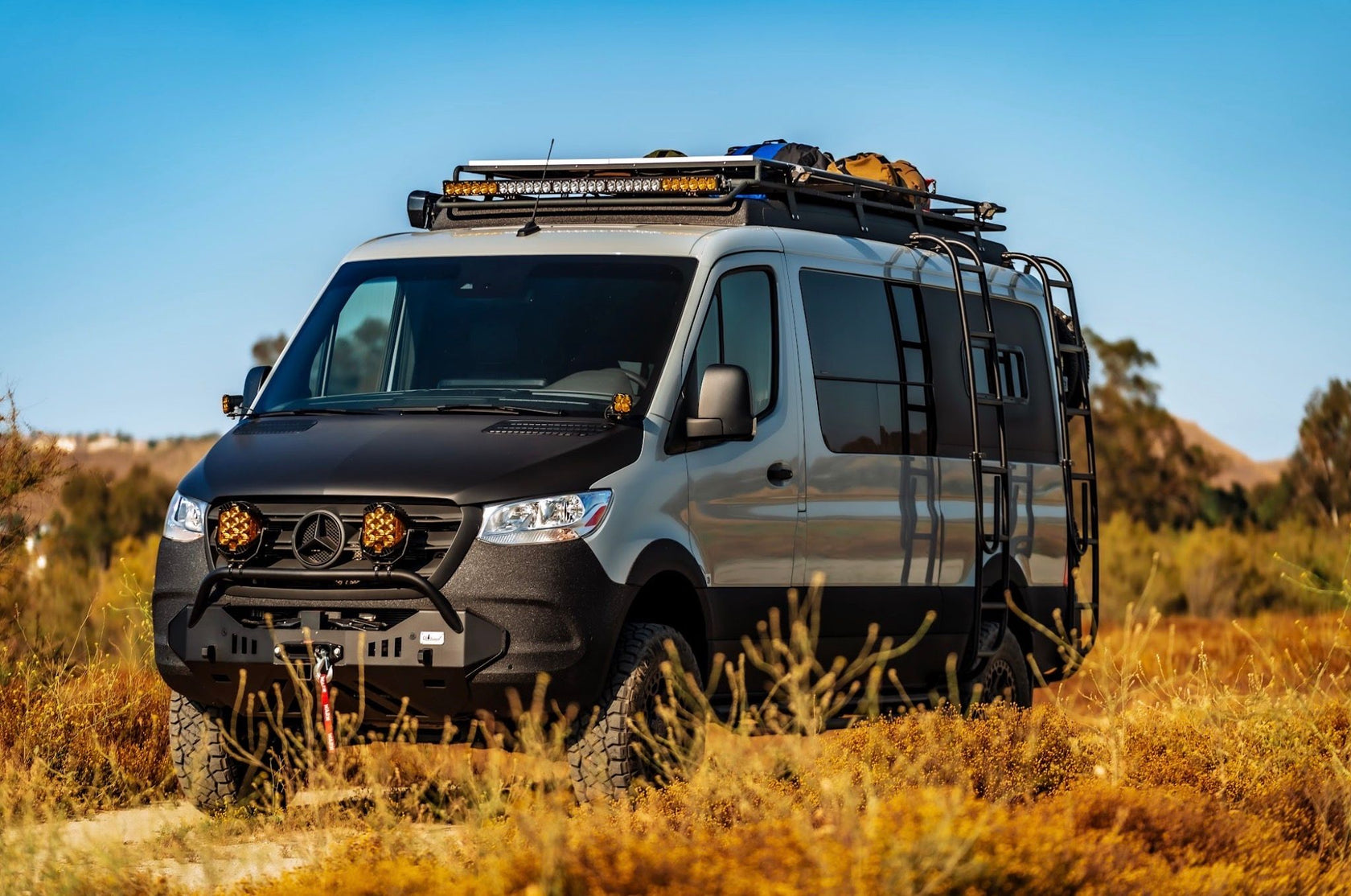
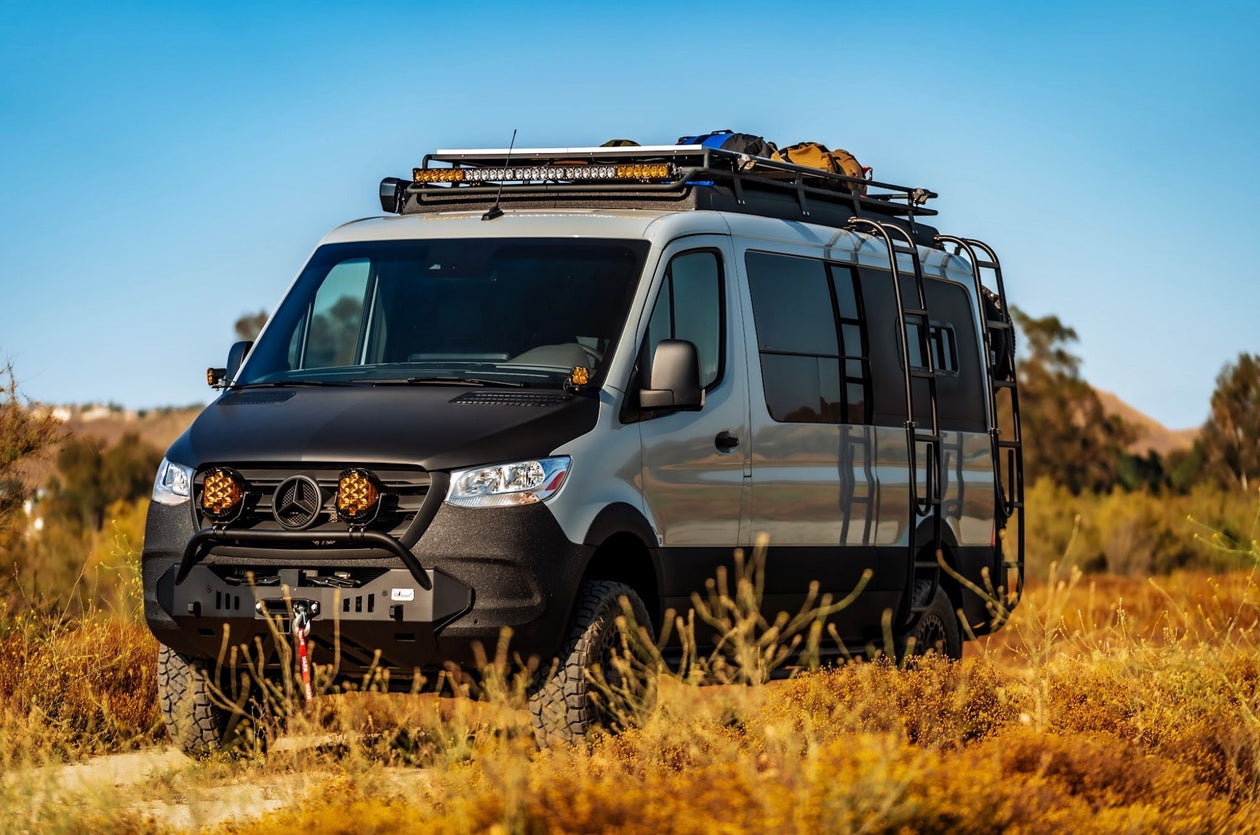
Then you step inside a poptop with the roof up.

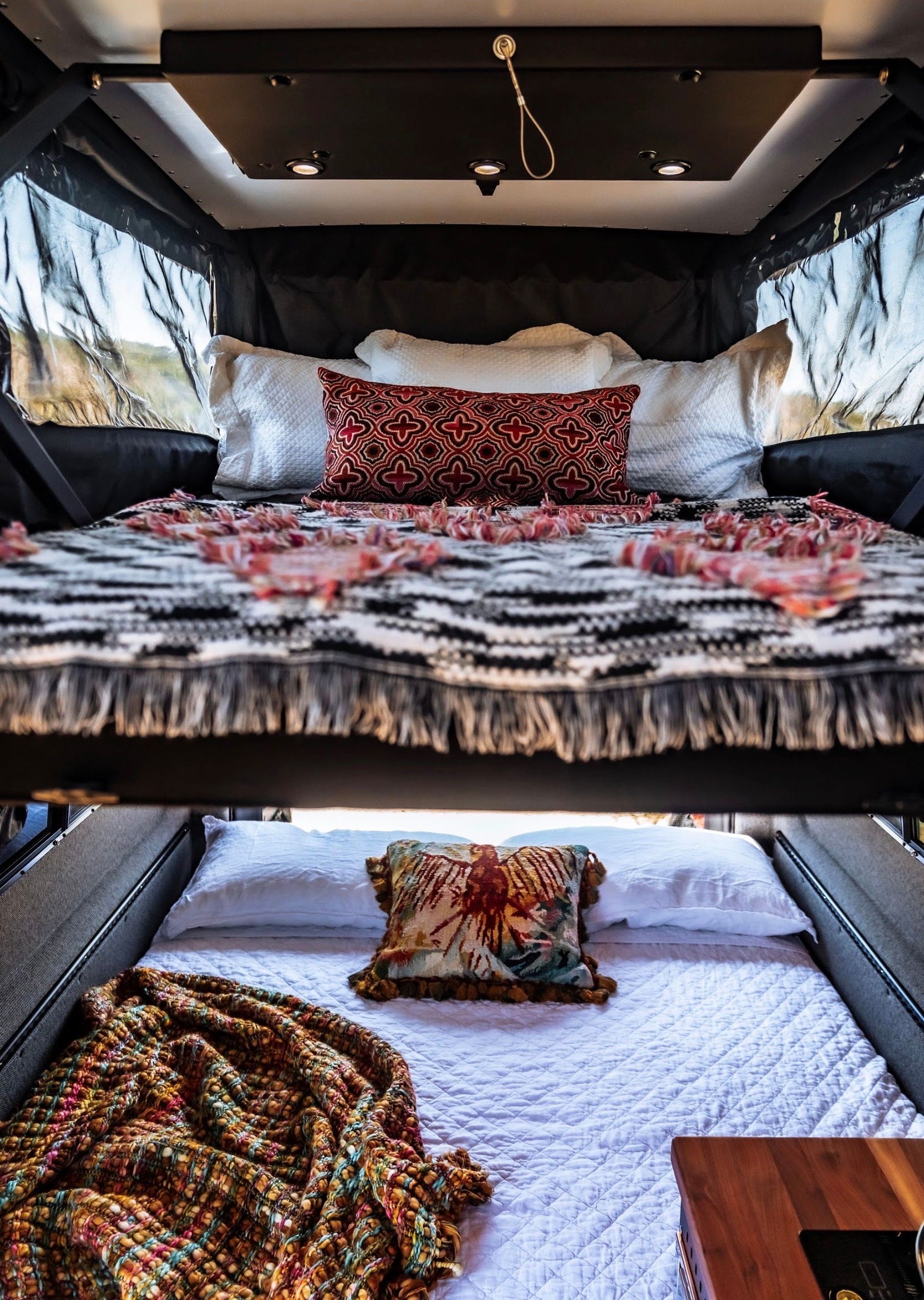
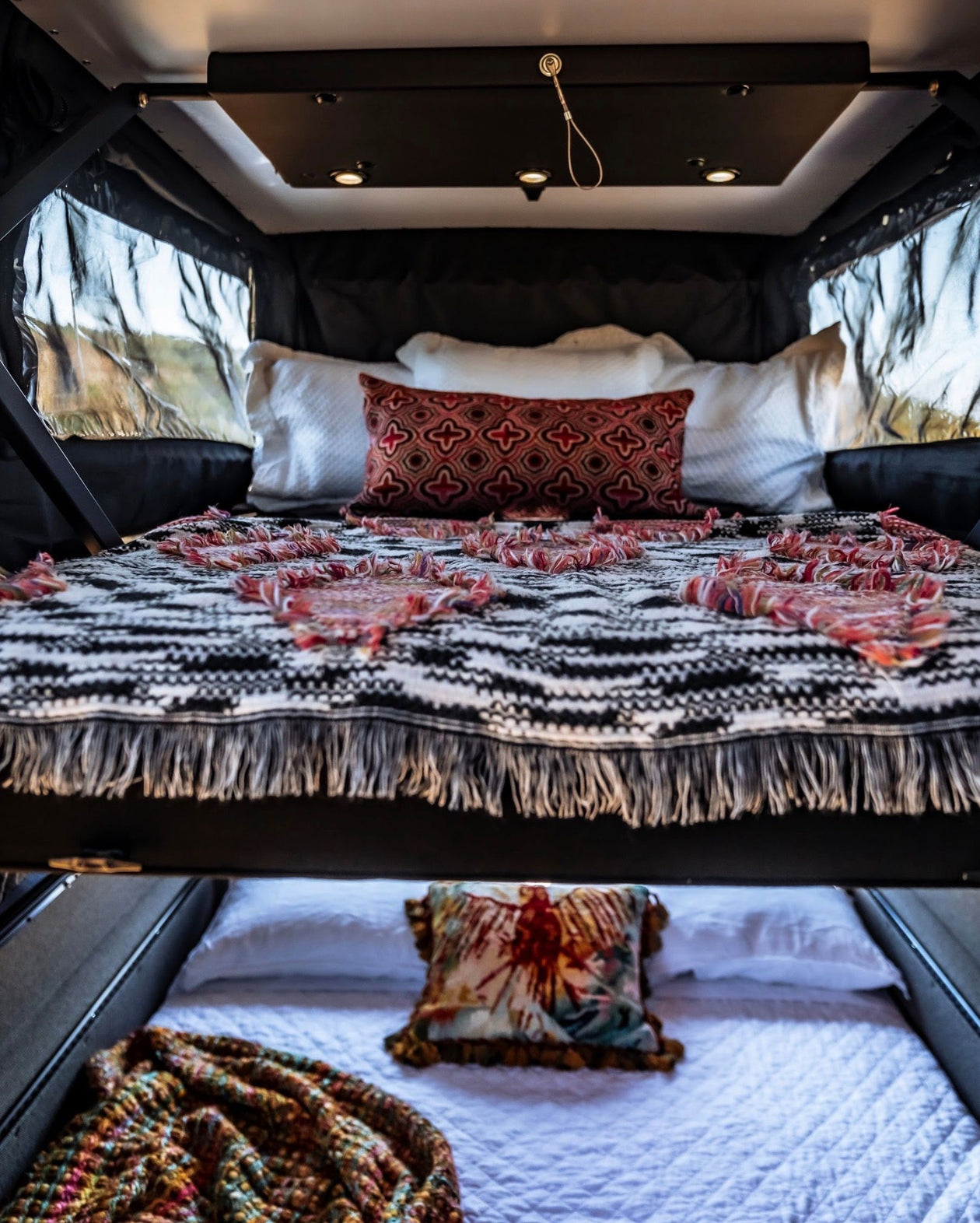
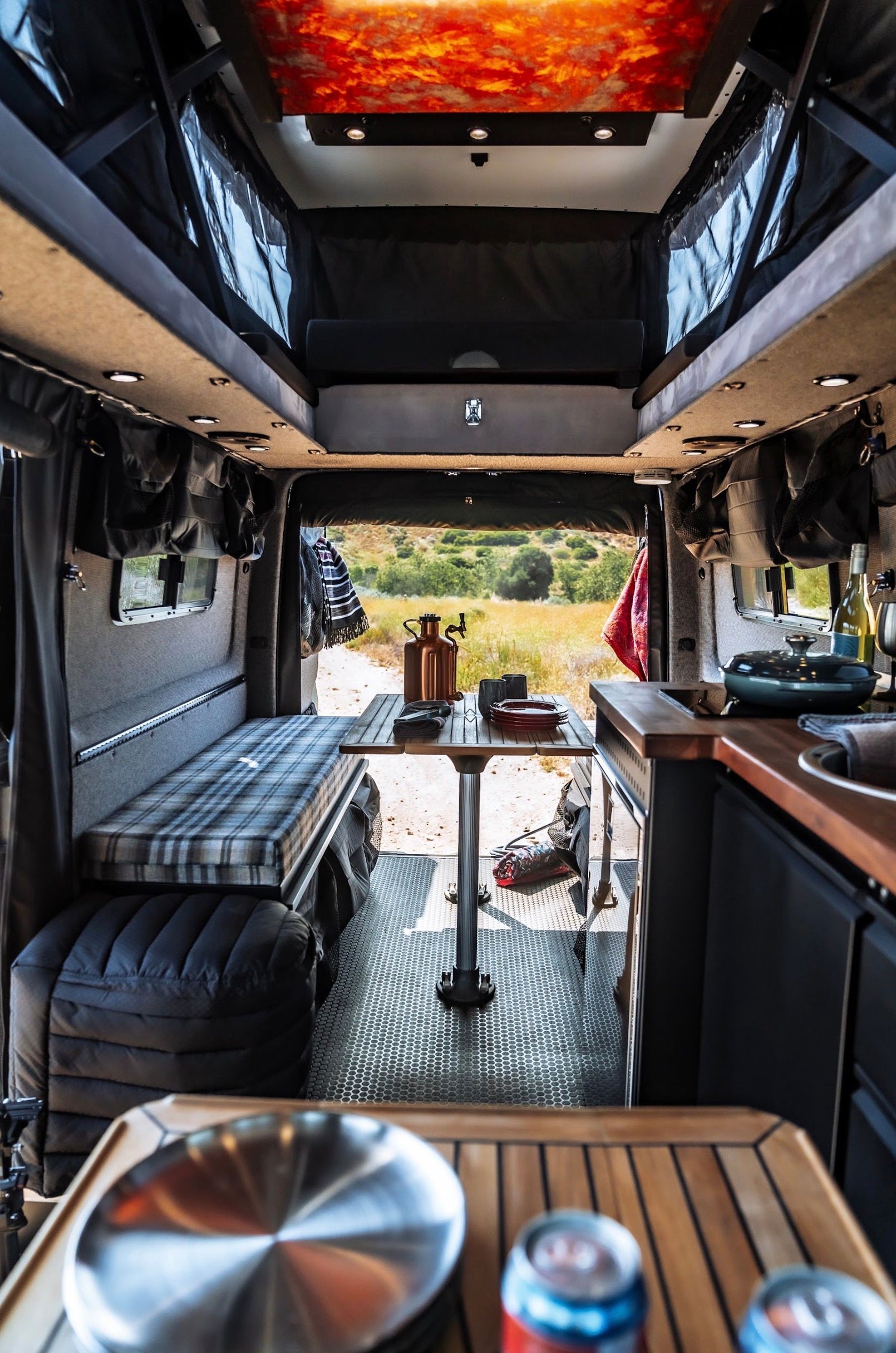
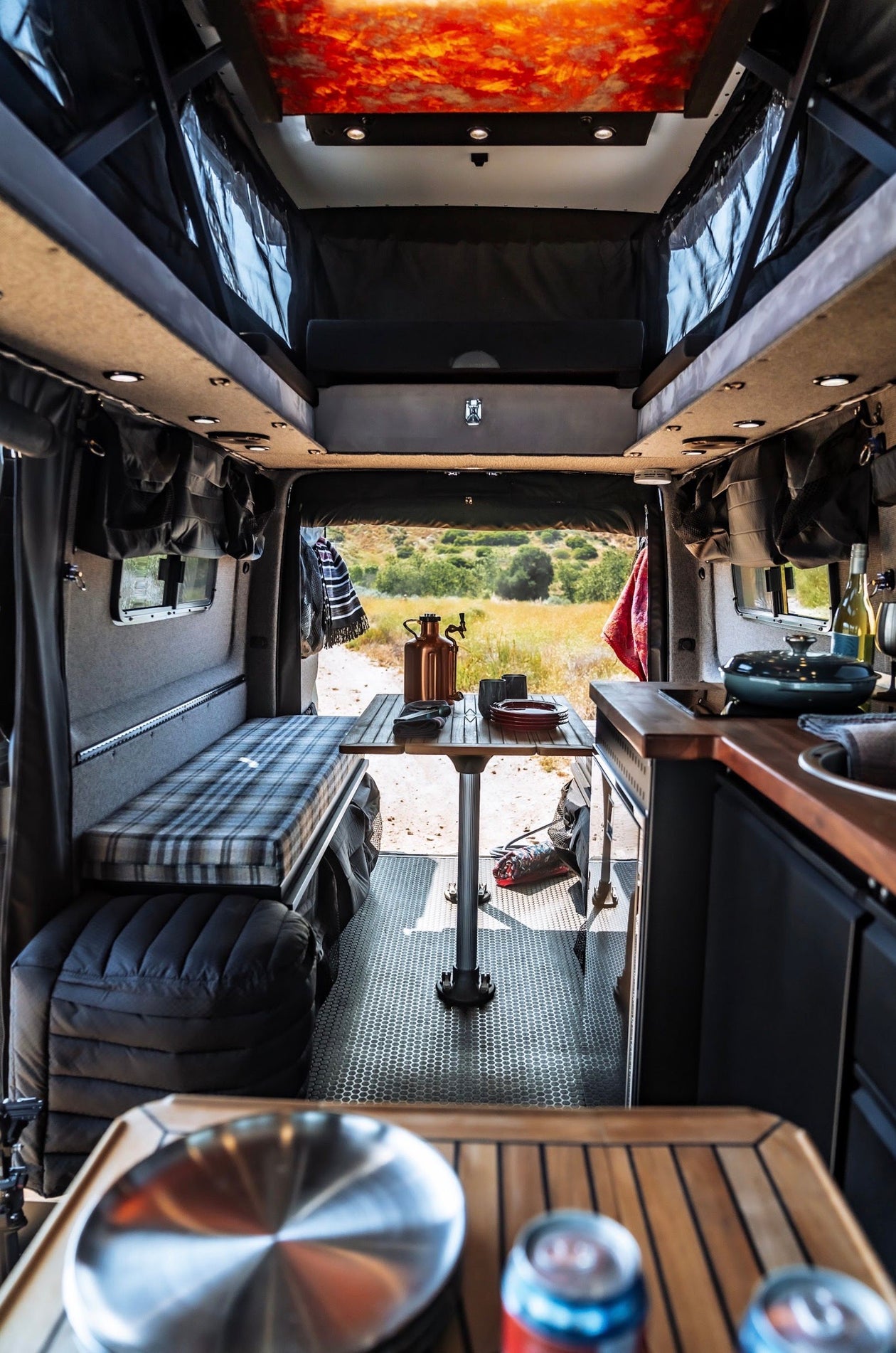
Eight feet of standing headroom. Natural light pulling in from multiple angles. Air actually moving through the space. And something shifts. Not just in how the van looks — in how it feels to be inside it. The ceiling isn't a ceiling anymore. The van isn't a van anymore. It's something closer to a place.

That moment is what we build toward.

The Engineering Behind the Experience

In the Sprinter conversion space, a lot of attention goes to aesthetics. The photography is beautiful. The marketing is polished. But the conversations that matter — the ones that happen after a client has owned their van for two or three years — are about something different. They're about how the build holds up. How it performs. Whether the decisions made at the design stage are still paying off on mile 40,000.

At Exclusive Outfitters, those are the conversations we build toward from day one.

What the Poptop Actually Does

The poptop is often discussed as a sleeping solution. It is that — but framing it that way undersells what it actually contributes to the living experience of the van.

With the top up, you have eight feet of standing headroom. A clerestory window configuration — front and side windows positioned to pull natural light in from multiple angles — eliminates the flat, closed-in feeling that defines most van interiors. Cross ventilation moves air through the space rather than over it. The result is an interior that feels genuinely connected to the outside environment rather than insulated from it.

Eight feet of headroom. Clerestory light. True cross ventilation. That's not a feature list. That's a different category of vehicle.

The Platform: 144" AWD Sprinter

The Mercedes-Benz 144" AWD Sprinter is the foundation this argument is built on — and the choice reflects a deliberate position on what a Sprinter conversion should actually be.

The 144" wheelbase is compact enough for daily use: standard parking spaces, residential garages, urban environments. It drives with the precision and refinement the Mercedes-Benz platform is known for. At the same time, it provides sufficient interior length for a fully functional living and working space without the maneuverability compromises that come with longer wheelbases.

The AWD configuration is not an upgrade. For the use cases our clients are building toward, it is a baseline requirement. Snow, sand, unmaintained roads, technical terrain — the platform handles all of it before a single piece of aftermarket equipment is added.

This is the sweet spot. Fifteen years of client conversations have confirmed it.

Versatility as a Design Principle

The question we hear most in consultations: Can one van really do all of it?

The honest answer is that most can't — not well. A van optimized for off-road performance often compromises daily livability. A van built for aesthetics frequently underperforms when the conditions get serious. The 144" AWD poptop platform is our answer to that tension — not because it splits the difference, but because it refuses to.

Daily driver. It integrates into ordinary life without friction. It parks, commutes, and carries without asking anything of its owner beyond normal vehicle operation.

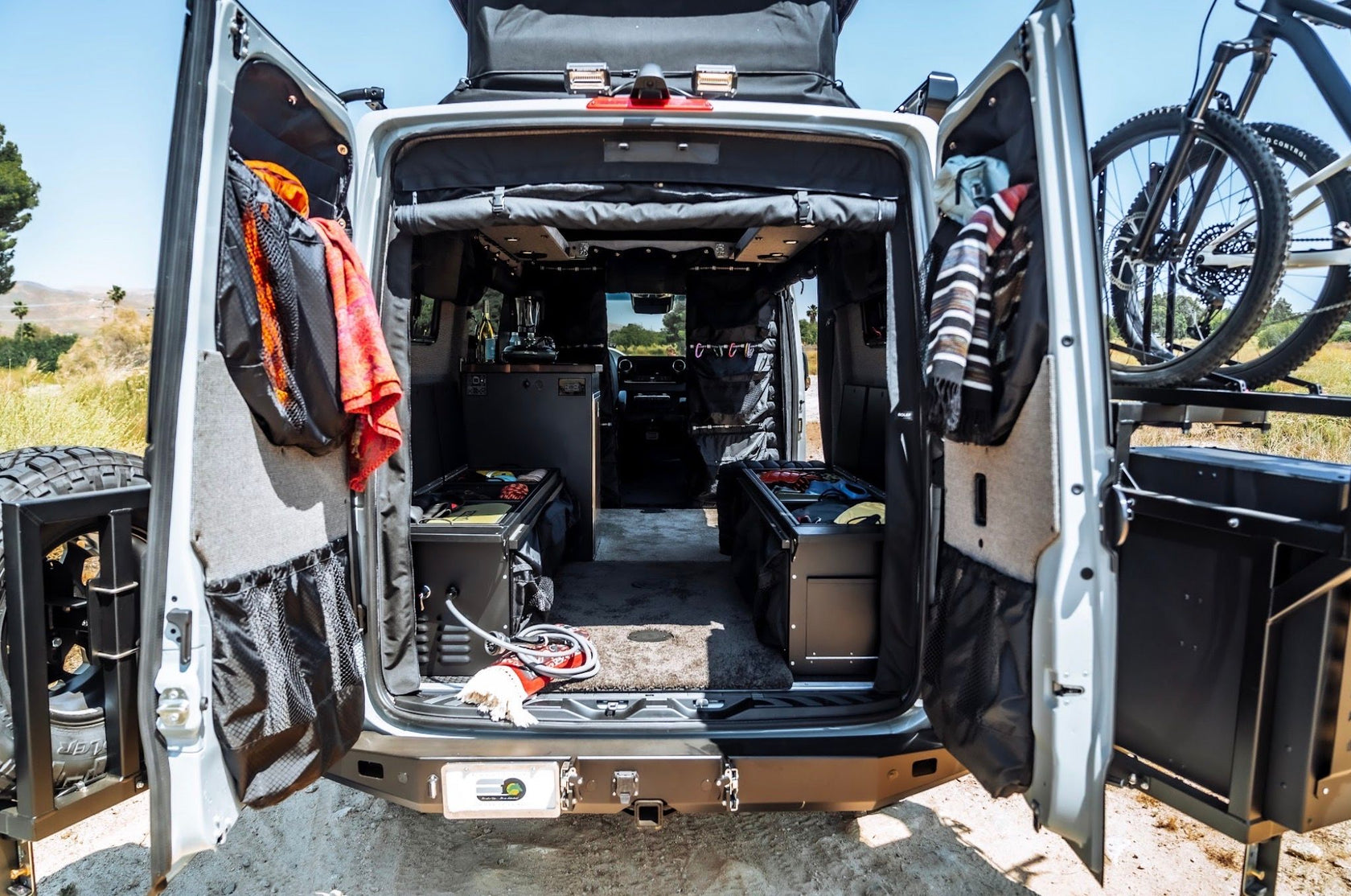
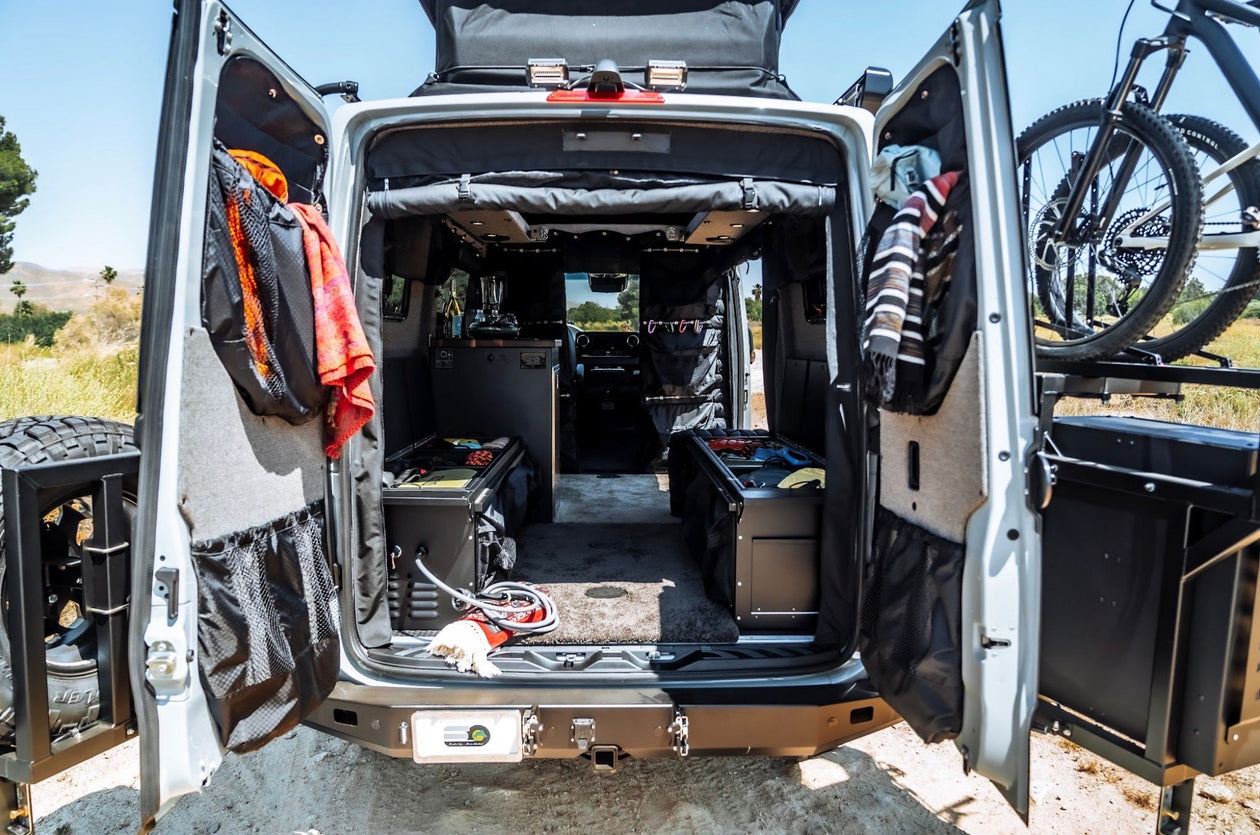
Overlanding and off-road. Suspension matched to load and use case. Winch. Onboard air. Secondary fuel. These are systems engineered into the build from the beginning — calibrated to work together, not bolted on as afterthoughts.

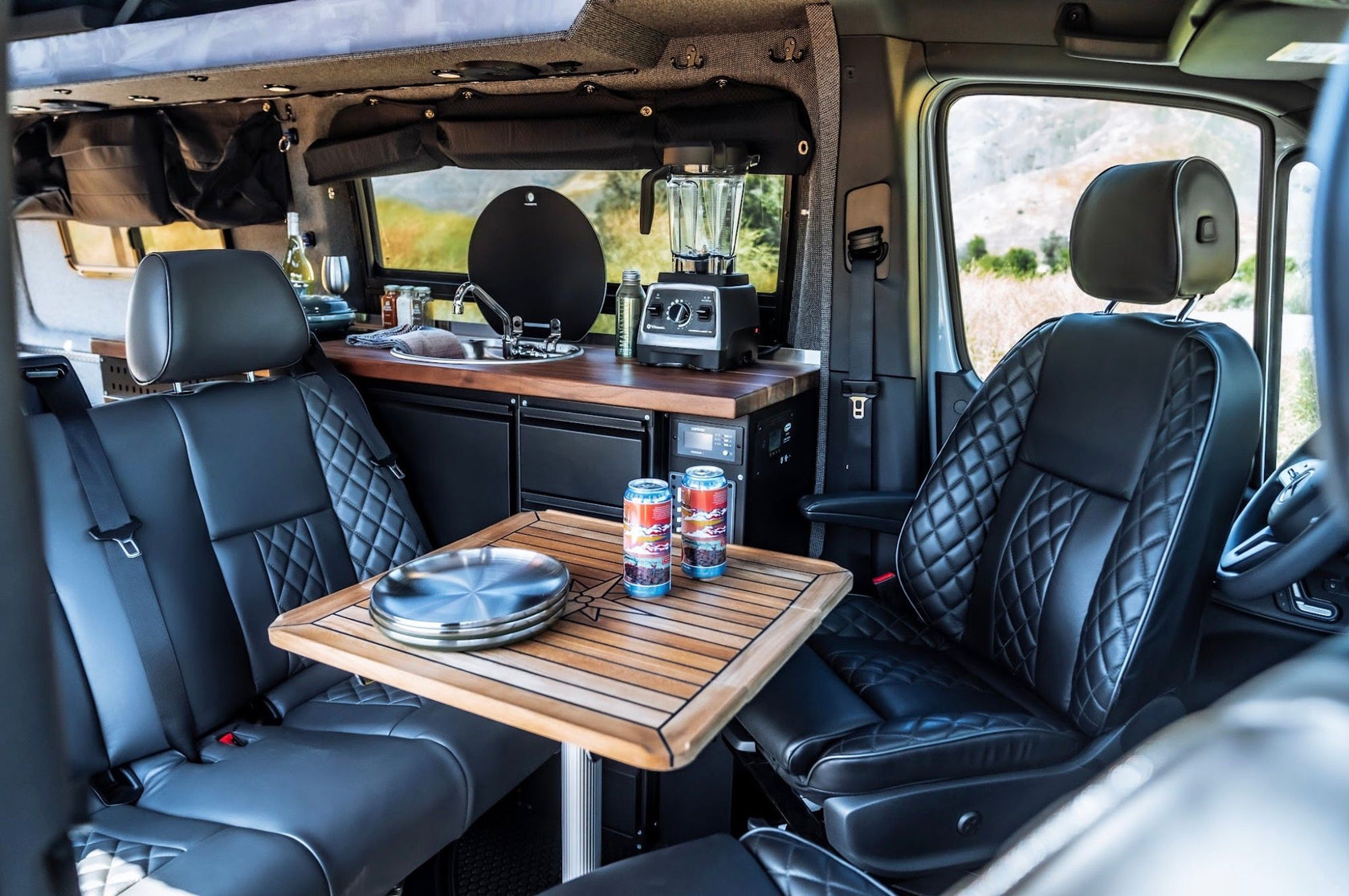
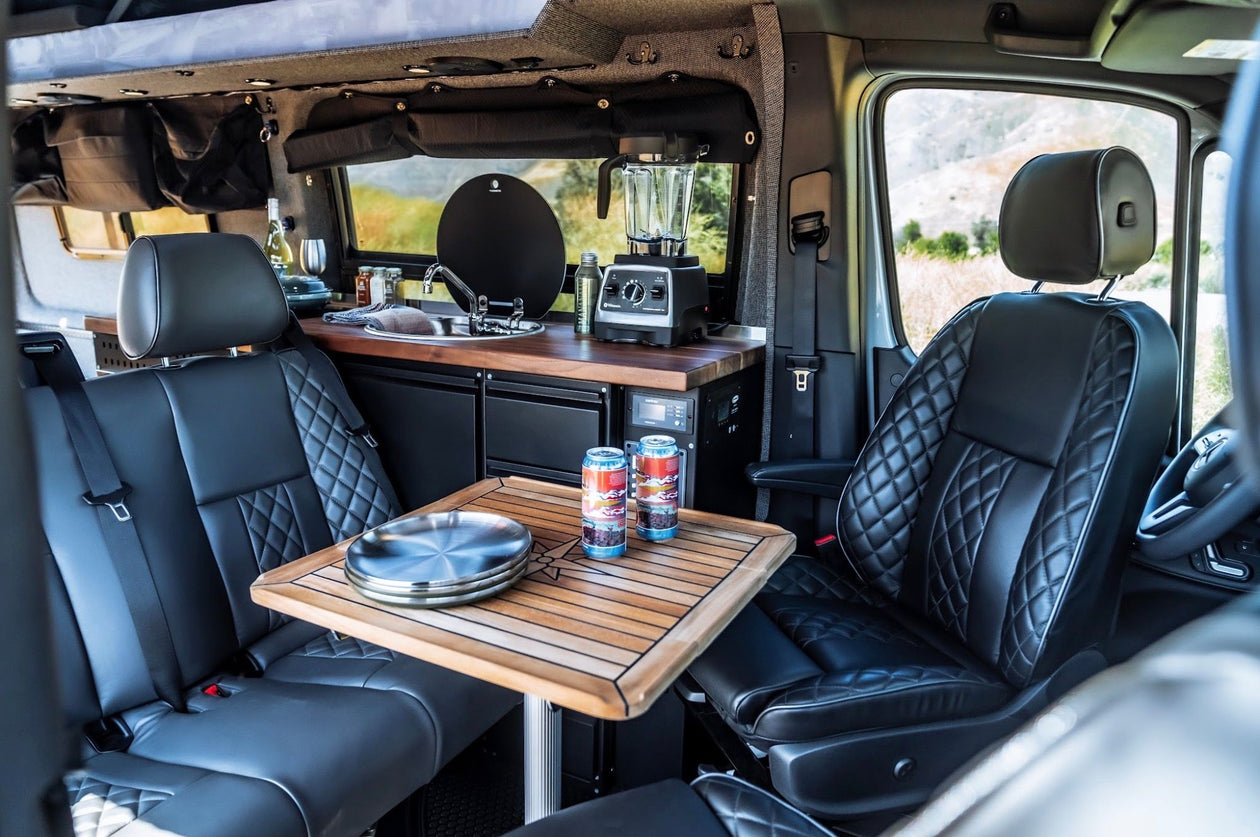
Family and group travel. Dinette seating for six. A dedicated upstairs sleeping space that requires no nightly teardown. A flexible downstairs that adapts to gear, passengers, and the unpredictability of real travel.

Versatility, in our view, is not a compromise position. It is the hardest thing to engineer well — and the thing our clients value most over time.

Details That Define Long-Term Value

Marine-grade aluminum cabinetry. Specified for environments that punish lesser materials. It will not swell, warp, or delaminate. In five years, in ten years, it performs exactly as it does today.

Weight management. Every pound of mass in a conversion has downstream consequences — for handling, suspension wear, fuel economy, and long-term chassis health. We manage weight from the first design decision, not as a correction at the end of the build. Systems are mounted low and centered. Materials are selected for strength-to-weight performance. The result is a van that handles and wears the way the underlying platform was engineered to.

Suspension calibration. A meaningful distinction in an industry where suspension upgrades are frequently selected from a catalog and installed without calibration. We match every suspension build to the specific tire, load, and intended use case.

The builds that hold up at year five and year ten are not the ones with the best photography.

They are the ones where every decision had a reason.

What Fifteen Years Builds

We started Exclusive Outfitters in 2010 with a clear point of view: that a Sprinter conversion should be engineered with the same seriousness as any other precision vehicle build. That the materials, the weight management, the systems integration, and the long-term durability should reflect the investment our clients are making — and the life they're building around it.

Three hundred builds later, that point of view hasn't changed. What has changed is the depth of knowledge behind every decision. We've watched how these vans age. We've had the year-five and year-ten conversations. We've seen where other approaches fall short — and why this platform, built this way, holds up.

The 144" AWD poptop isn't the flashiest answer in the Sprinter conversion space. It is the most resolved. And if you're at the stage where you're ready to stop looking at vans and start building the right one — we'd like to be part of that conversation.

BUILT. STYLED. DIALED.

Since 2010. 300+ builds. Southern California

Continue Exploring EO Engineering

Every EO build begins with engineering decisions that shape how the vehicle performs over thousands of miles. These articles take a closer look at the systems and materials behind that philosophy.

➡️ Seating & Sleeping in a Sprinter VanDesigned for Real Travel! Comfort on the road starts with intelligent space planning. EO seating and sleeping systems are engineered to maximize flexibility inside a 144” Mercedes-Benz Sprinter while maintaining structural integrity and balanced weight distribution.

➡️ Aluminum vs Wood Cabinetry in Sprinter Van Conversions Why Materials Matter! Material choice shapes durability. EO interiors are built using marine-grade aluminum... a lighter, stronger material designed to withstand vibration, moisture, and long-term travel.

➡️ Smart Storage Systems for Adventure Vans Organization That Moves With You! Storage in a Sprinter van is about more than capacity. EO storage systems combine modular bins, removable totes, and flexible compartments to keep gear secure without adding unnecessary weight.

If you've made it this far, you already understand that how a van is built matters just as much as how it looks. If you want to explore what that means in a real build, we're here.

📞 Call John at 714-524-2224 for inquiries or to schedule a visit. Exclusive Outfitters — Where Adventure Meets Craftsmanship.